
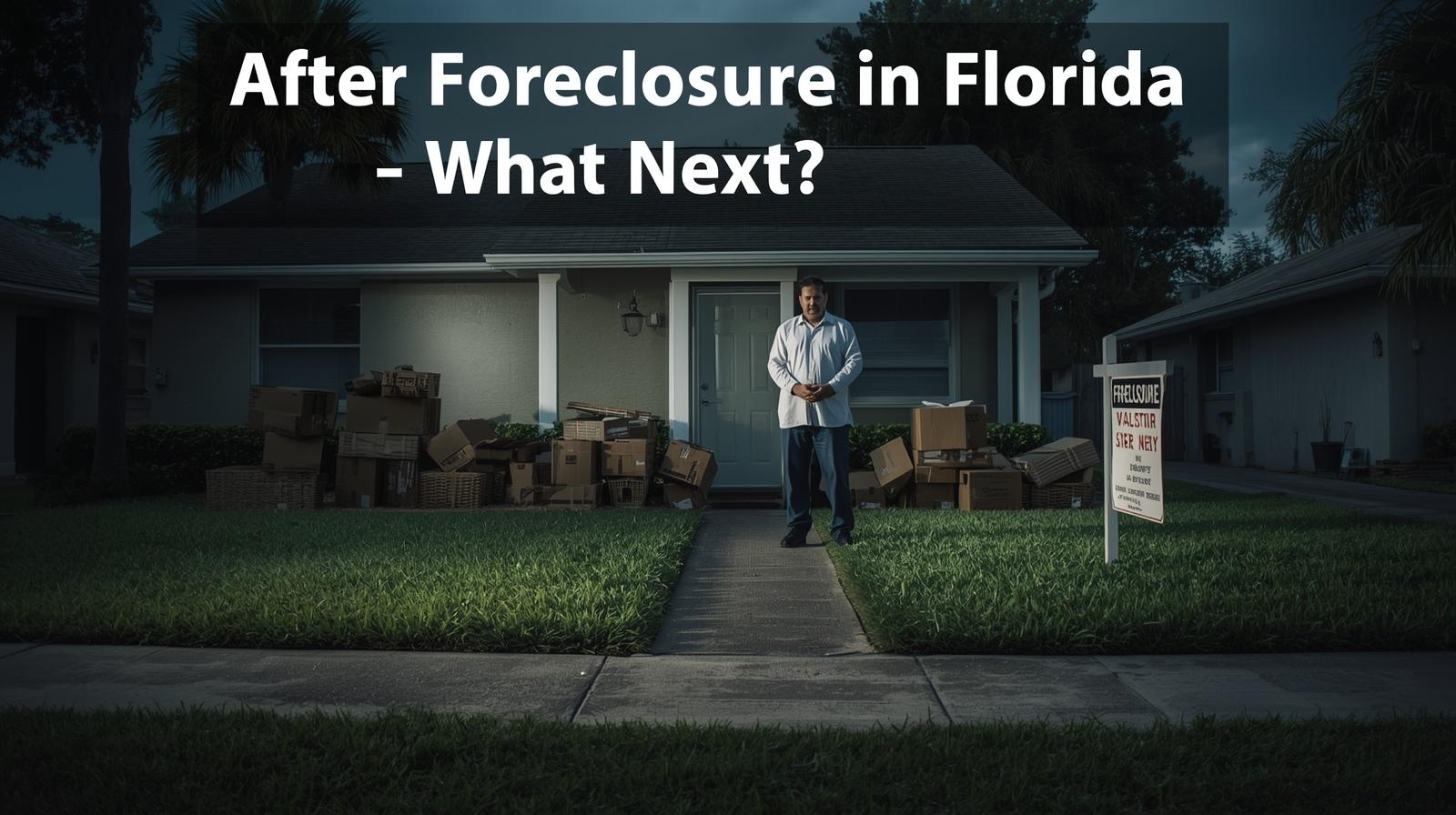
What Happens After Foreclosure in Florida? Complete 2026 Guide
If you’ve gone through foreclosure or are about to, one of the most important questions is: what happens after foreclosure in Florida?
Many homeowners believe foreclosure is the end—but in reality, it’s the beginning of several legal and financial consequences that you must understand to protect yourself.
At Law Offices of Lance Denha, P.A., we help Florida homeowners navigate not only foreclosure defense but also what comes next—so you can rebuild and protect your future.
Understanding the End of the Foreclosure Process
Foreclosure officially ends when your property is sold at a public auction. At that point:
- Ownership transfers to the winning bidder (often the lender)
- Your legal rights to the property are terminated
- Post-foreclosure consequences begin
However, the situation doesn’t end there.
Immediate Effects After Foreclosure
Loss of Property Ownership
Once the foreclosure sale is complete:
- You no longer own the home
- The title transfers to the new owner
- You must prepare to vacate
Eviction Process in Florida
After foreclosure, eviction does not always happen immediately—but it can happen quickly.
The new owner may:
- File for a writ of possession
- Give you a short notice to vacate
- Request sheriff enforcement if you refuse
Typically:
- You may have a few days to weeks to move out
👉 Acting quickly can give you more time to relocate.
Deficiency Judgment in Florida
One of the most important financial consequences is a deficiency judgment.
What Is a Deficiency Judgment?
If your home sells for less than what you owe, the lender may pursue you for the remaining balance.
Example:
- Mortgage owed: $300,000
- Sale price: $220,000
- Deficiency: $80,000
Can Lenders Collect the Deficiency?
Yes, in many cases lenders can:
- File a lawsuit
- Obtain a court judgment
- Attempt to collect through legal means
However, defenses may be available.
How Foreclosure Affects Your Credit
Foreclosure has a major impact on your credit profile:
- Credit score may drop significantly
- Foreclosure stays on report for up to 7 years
- Future loan approvals become more difficult
However, rebuilding credit is possible with time and strategy.
Tax Consequences After Foreclosure
Many homeowners don’t realize that foreclosure may have tax implications.
If debt is forgiven:
- The IRS may treat it as taxable income
However:
- Exceptions and exclusions may apply
👉 Consulting both a legal and tax professional is recommended.
Can You Stay in the Home After Foreclosure?
In some cases, yes—temporarily.
Options may include:
- Negotiating “cash for keys” agreements
- Requesting additional time from the new owner
- Delaying eviction through legal motions
What Happens to Tenants After Foreclosure?
If the property is rented:
- Tenants may have rights under federal law
- Existing leases may be honored temporarily
- New owner must follow proper eviction procedures
Can You Buy Another Home After Foreclosure?
Yes, but there are waiting periods:
- FHA loans: typically 3 years
- Conventional loans: 5–7 years
Improving your credit and financial stability can shorten recovery time.
Life After Foreclosure: Rebuilding Strategy
1. Repair Your Credit
- Pay bills on time
- Reduce debt
- Monitor credit reports
2. Create a Financial Plan
- Build savings
- Budget carefully
- Avoid high-risk loans
3. Explore Housing Options
- Renting
- Lease-to-own agreements
- Affordable housing programs
Legal Options After Foreclosure
Even after foreclosure, legal options may still exist.
Challenge the Foreclosure
If errors occurred:
- You may challenge the process
- Seek legal remedies
Defend Against Deficiency Judgment
An attorney may:
- Negotiate settlement
- Reduce amount owed
- Challenge lender claims
Bankruptcy Protection
Bankruptcy may help:
- Eliminate certain debts
- Stop collection actions
- Provide financial relief
Common Mistakes After Foreclosure
Avoid these critical mistakes:
- Ignoring deficiency lawsuits
- Failing to plan housing
- Not rebuilding credit
- Falling for scams
Why You Still Need a Foreclosure Attorney
Many people think they no longer need legal help after foreclosure—but that’s not true.
An attorney can help you:
- Handle deficiency claims
- Protect your rights
- Plan financial recovery
At Law Offices of Lance Denha, P.A., we continue supporting clients even after foreclosure to ensure the best possible outcome.
Real-Life Scenario
A Florida homeowner lost their home to foreclosure and later received a lawsuit for a deficiency balance.
By hiring legal representation, they were able to:
- Negotiate a reduced settlement
- Avoid aggressive collection actions
👉 This shows why legal help remains critical even after foreclosure.
Emotional Impact of Foreclosure
Foreclosure can be emotionally challenging, leading to:
- Stress
- Anxiety
- Uncertainty
It’s important to:
- Seek support
- Focus on rebuilding
- Take proactive steps forward
Contact a Florida Foreclosure Attorney Today
If you’re dealing with the aftermath of foreclosure, you still have options.
Law Offices of Lance Denha, P.A.
🌐 https://denhalawoffice.com/
📞 Call now for a consultation
👉 https://denhalawoffice.com/contact-us/
📍 Our Location – Click Here
Final Thoughts
Understanding what happens after foreclosure in Florida is essential for protecting your financial future. While foreclosure is a major setback, it does not define your future.
With the right legal guidance and a clear recovery plan, you can rebuild, recover, and move forward with confidence.
Search Terms – after foreclosure Florida
foreclosure consequences Florida
eviction after foreclosure Florida
deficiency judgment Florida
life after foreclosure Florida
